Calisthenics is training with your own bodyweight – push-ups, pull-ups, dips, squats and everything that builds on them. You can start today, almost anywhere and for free, and you can keep progressing for years toward skills like muscle-ups, handstands and the front lever. This guide covers the basics of calisthenics for beginners, the key progressions on the way to your first pull-up, a simple beginner workout plan and how to find calisthenics parks and coaches near you.
What is calisthenics?
The word comes from the Greek kalos (beauty) and sthenos (strength). Calisthenics means building strength, control and mobility through bodyweight exercises instead of external weights. Instead of adding plates to a bar, you make exercises harder by changing leverage, range of motion or the number of limbs that carry your weight – a push-up becomes an archer push-up, then a one-arm push-up.
Modern calisthenics ranges from simple fitness routines to street workout – the outdoor scene with bars, dynamic tricks and competitions – and to static strength skills like the planche and the human flag. Programs such as the Progressive Calisthenics Certification (PCC) train coaches to teach these progressions safely.
Benefits of calisthenics
- No equipment, no membership: a floor, a bar and maybe a pair of parallel bars are all you need.
- Relative strength: you get strong for your bodyweight, which carries over to sports and everyday life.
- Body control and mobility: many exercises require balance, coordination and active flexibility.
- Joint-friendly progression: you scale the difficulty in small steps instead of jumping between weights.
- Clear goals: skills like the first pull-up, the first muscle-up or a free handstand keep training motivating.
- Train anywhere: at home, in a park or while traveling.
The fundamental calisthenics exercises
Almost every calisthenics program is built on five movement patterns. Master the basic versions first – they are the foundation for every advanced skill.
- Push: push-ups and dips (chest, shoulders, triceps).
- Pull: pull-ups, chin-ups and rows (back, biceps, grip).
- Legs: squats, lunges, split squats and later pistol squats.
- Core: planks, hollow body holds, hanging knee raises and leg raises.
- Hold and support: dead hangs, support holds on parallel bars and later handstand work.
How to do your first pull-up: the progression
The first strict pull-up is the milestone most beginners are chasing. These steps get you there – move on when you can do the target reps with clean form.
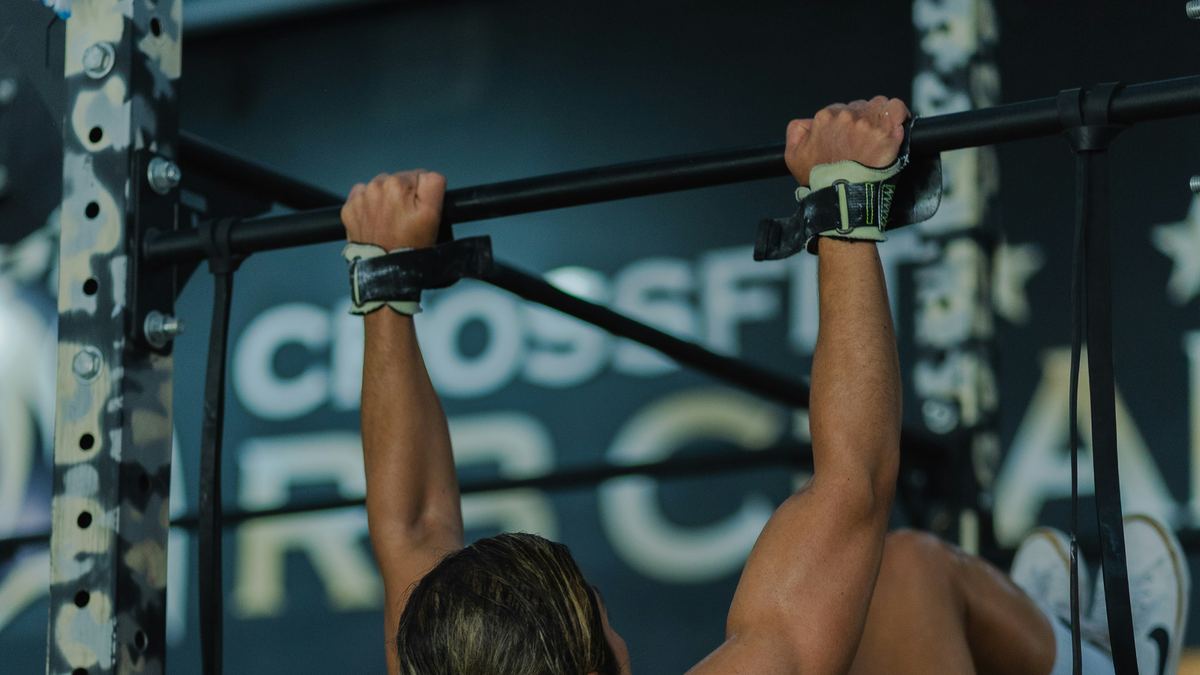
- Dead hang: hang from the bar with straight arms. Goal: 3 × 30 seconds.
- Scapular pulls: from the dead hang, pull your shoulder blades down without bending the arms. Goal: 3 × 10.
- Inverted rows: on a low bar or rings with your feet on the floor; the more horizontal your body, the harder. Goal: 3 × 12.
- Negative pull-ups: jump or step to the top position and lower yourself as slowly as possible. Goal: 3 × 5 with 5-second negatives.
- Band-assisted pull-ups: a resistance band under your feet or knees takes off part of your weight. Use thinner bands over time.
- Your first pull-up: then build up to 3 sets of 5, and later 10 or more.
Most beginners need anywhere from a few weeks to a few months – train the progression two to three times a week and stay patient.
Other key progressions
Push-ups
Wall push-ups → incline push-ups (hands on a bench) → knee push-ups → full push-ups → diamond and archer push-ups. Keep your body in one straight line and lower your chest all the way.
Dips
Bench dips → support hold on parallel bars → negative dips → band-assisted dips → full dips. Only go as deep as your shoulders allow without pain.
Squats
Bodyweight squats → split squats → Bulgarian split squats → assisted pistol squats → pistol squats. Your legs need high reps and harder variations to keep growing without weights.
Core
Plank → hollow body hold → hanging knee raises → hanging leg raises → L-sit. A strong core is the key to almost every advanced calisthenics skill.
A calisthenics workout plan for beginners
Do this full-body workout three times per week, for example Monday, Wednesday and Friday. Rest 60–90 seconds between sets. When you hit the top of the rep range in every set, move to the next progression.
- Warm-up (5–8 minutes): jumping jacks, arm circles, cat-cow, bodyweight squats, scapular pulls.
- Pull: inverted rows or negative pull-ups – 3 sets of 5–12.
- Push: push-ups at your level – 3 sets of 5–15.
- Legs: squats or split squats – 3 sets of 10–20 (per leg for split squats).
- Dips: bench dips or support holds – 3 sets of 5–12 reps or 20–30 seconds.
- Core: hollow body hold – 3 × 20–30 seconds.
- Cool-down: dead hang 2 × 20–30 seconds, then stretch chest, shoulders and hips.
Track your reps in a notebook or app. Small, consistent improvements – one more rep, a slower negative, a harder variation – are what make calisthenics work.
Common beginner mistakes
- Skipping the basics to chase muscle-ups or handstands. Solid pull-ups, dips and push-ups come first.
- Half reps. Full range of motion builds more strength and protects your joints.
- Training to failure every set. Leave one or two reps in reserve most of the time.
- Neglecting legs. Calisthenics is not upper body only.
- Too much, too soon. Tendons in elbows and wrists adapt slowly – increase volume gradually.
Where to train: calisthenics parks, gyms and coaches
You can train at home with a doorway pull-up bar, but many people progress faster – and have more fun – in an outdoor calisthenics park or street workout spot with pull-up bars, parallel bars and monkey bars. Parks are usually free, and the community is famously welcoming to beginners. Many cities also have indoor calisthenics gyms with rings, bars and coached classes, and personal trainers who specialize in bodyweight strength and skills.
A coach is especially valuable when you start working on skills like the muscle-up, handstand or front lever, where technique and the right progression make a huge difference. Look for experience with bodyweight training and certifications such as the PCC.
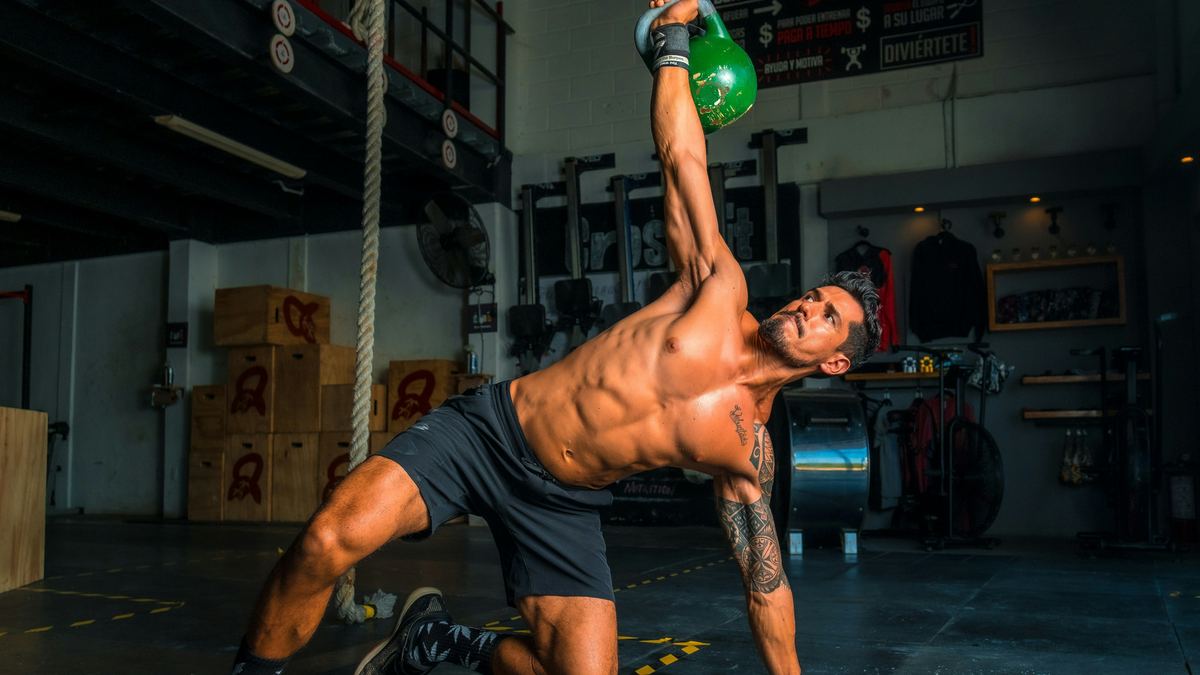
Find calisthenics parks, gyms and coaches across the USA in our directory, or start in a state like Texas, California, Florida or New York. Want to add load later? Kettlebell training is a great complement to bodyweight work.
Frequently asked questions
Can you build muscle with calisthenics?
Yes. As long as you keep making exercises harder – more reps, slower tempo or more difficult variations – your muscles have a reason to grow. Combined with enough protein and sleep, calisthenics builds an athletic, muscular physique.
How long does it take to see results?
Most beginners notice strength gains within two to four weeks, mostly because their nervous system learns the movements. Visible changes usually take two to three months of consistent training.
Is calisthenics better than lifting weights?
Neither is better – they are different tools. Calisthenics is excellent for relative strength, body control and training anywhere; weights make it easier to load the legs heavily and to progress in small steps. Many athletes combine both.
How often should beginners do calisthenics?
Three full-body sessions per week with a rest day in between is a proven start. Light mobility work or walks on rest days help recovery.
I can’t do a single push-up or pull-up. Can I still start?
Absolutely. Incline push-ups, inverted rows and negatives are made for exactly that. Everyone starts somewhere – the progressions in this guide get you to your first full rep.
This guide is general information and not medical advice. If you have health issues or injuries, talk to a doctor before starting a new training program.